
3 Stages of reading marketing emails - reader psychology rules that make emails impossible to ignore

Your email strategy won’t work if you send without reader psychology in mind.
There are 3 stages that readers go through when seeing an email:
- Curiosity at subject line
- Skimming for value
- Clicking if there’s a real win
Founders keep obsessing over deliverability hacks.
While ignoring the only thing that actually matters:
Nobody is opening if you give them nothing to be curious about
Nobody is reading if your layout is a wall of text
Nobody is clicking if there’s nothing worth clicking
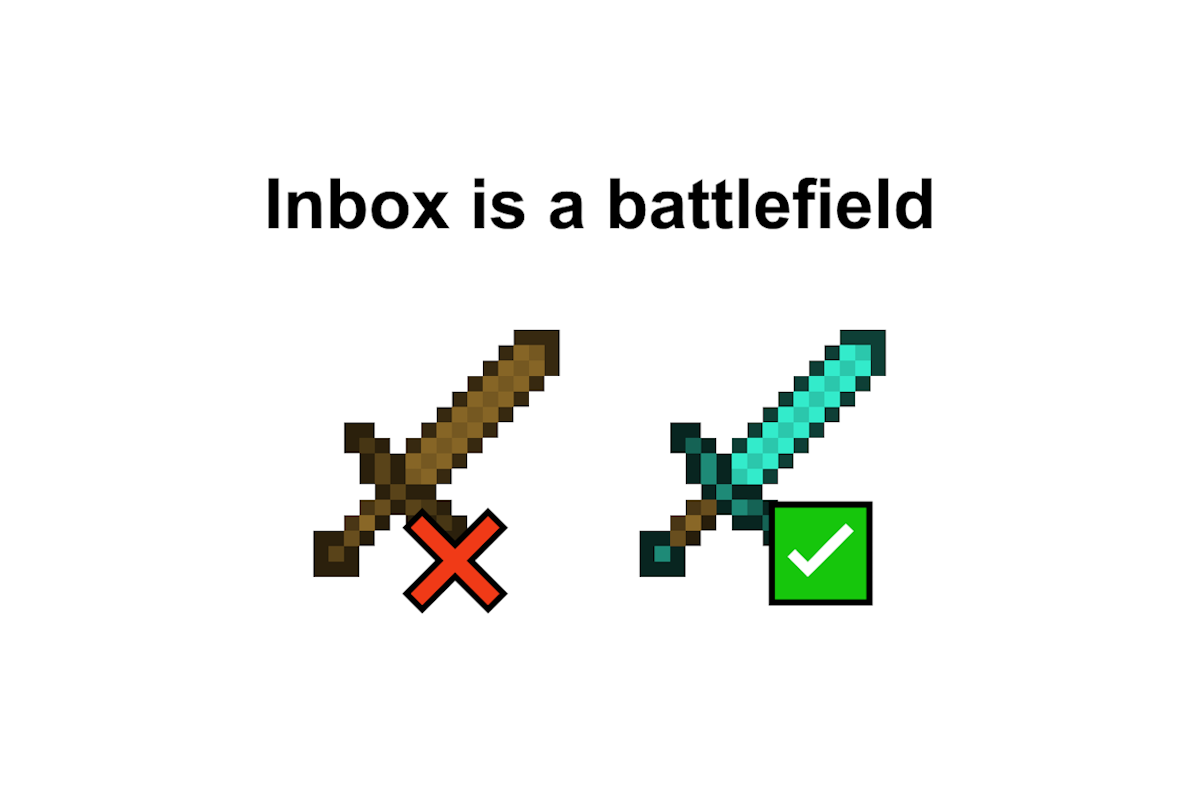
The inbox is a battlefield, you don’t want to show up with a wooden sword.
If I were rebuilding your email game from scratch, I’d use the CSC framework:
C - Curiosity at subject line
Most founders treat subject lines like name tags:
- “Weekly Update #19”
- “New Feature Release”
- “Our Q4 meeting recap”
Congrats, you just told them exactly why they don’t need to open.
Your subject line should feel like something the brain can’t leave alone.
An open loop that reader WANTS to close.
It must stand out among hundreds of emails they receive.
Examples:
- The mistake we almost shipped
- Boring tactic that brought 3000 users
- 3 lessons from the test no one wanted to run
S - Skimming for value
Once they open, you have 5 seconds.
If their eyes can’t land on something useful instantly, they’re gone.
Emails need architecture:
- Clear headers
- Bullet points
- Short blocks
- Fast rhythm
- Clear flow
You’re not writing a novel.
You’re constructing a highway.
Things that make people stay:
- Bold 1-sentence insights
- Screenshots and images
- Spacing that lets eyes relax
Reader should be able to skim the whole thing
Then stop and read because they found something interesting.
C - Clicking if there’s a real win
Clicks come from obvious upside.
Nobody cares about generic “Learn more” or “Join our webinar”
Give them a reason:
- By educating on the problem
- By showing the solution
- By removing risk
Or make a promise that pays back instantly:
- A template they can steal
- A tool that saves time
- An intriguing chart
The link must feel like the natural next step.
Create a win, and it’ll create a click.
The difference between being ignored in the inbox
and being the only sender they look for every week
is the CSC framework.
Want more insights on email marketing and business growth? Subscribe for Internet Is Dead to get weekly posts.